Separation Anxiety: The Fear of Being Alone
08/05/2025|Emhconciergevet|Pet Education
Dogs are highly sociable and seem to thrive best when in the company of others. Unfortunately, being alone can sometimes result in something called separation anxiety — the fear of being alone. Think of them as mini "panic attacks" in humans and can affect the quality of life of the dog and human. As with many conditions, the signs can vary from mild to very severe.
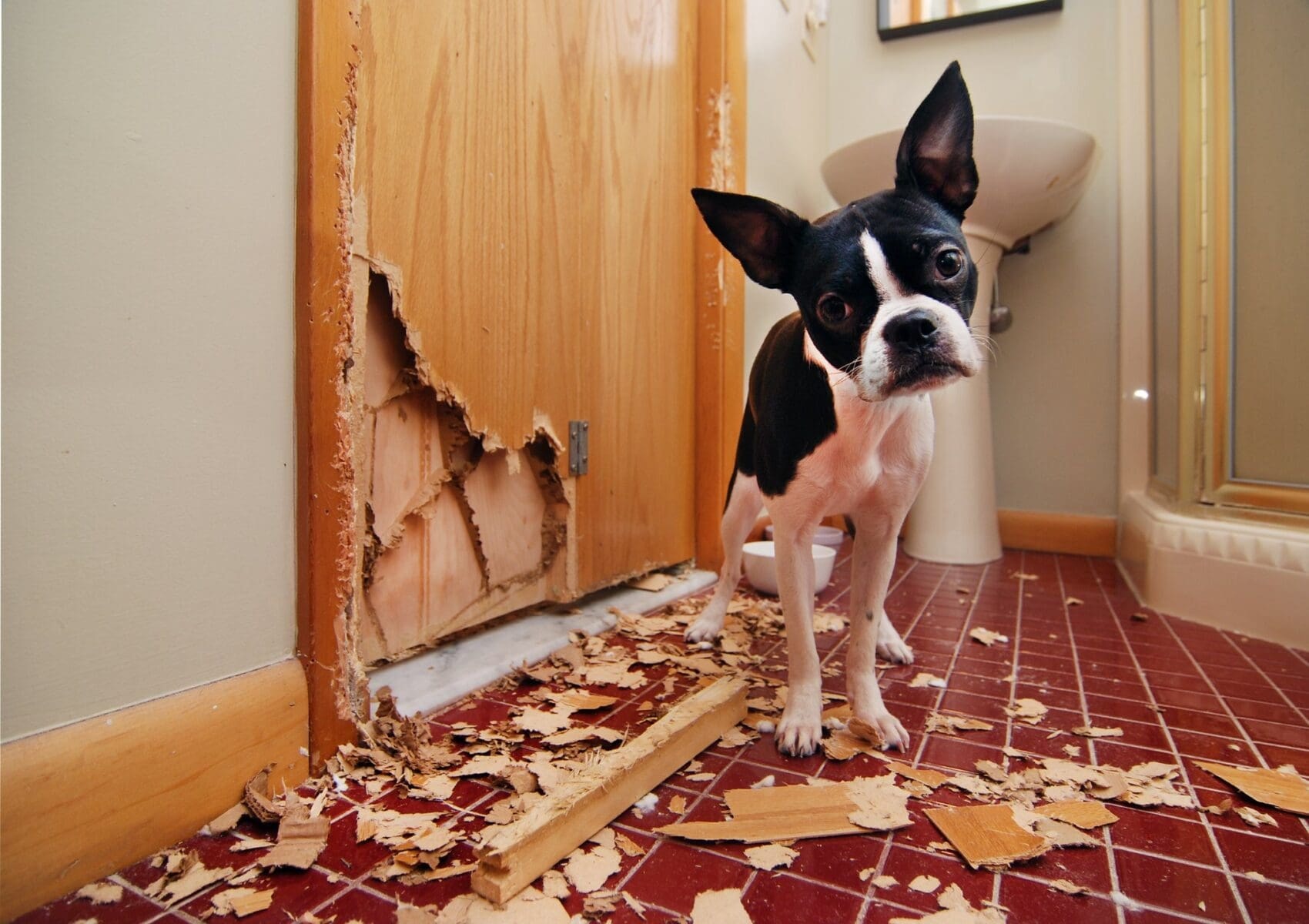
Some of most common clinical findings are: Excessive barking, howling and whining. Having "accidents" in the house. Destructive behavior
As far as possible causes of the problem, there are a few theories as to why. Early socialization (or lack thereof) may be an underlying cause. Changes in home or peoples schedules, loss of family members or death of another pet, dogs from shelters or those that live with single adult owners. Other dogs can develop separation anxiety despite never going through any major events and it can occur at any age when it first appears. Unfortunately if left untreated the condition tends to get worse.
Treatment typically involves a combination of medications and behavioral modification. Medications (long and short term). Avoid leaving your pet at home (take to work, dog sitter, stay with friends). Food dispensing and Puzzle toys tend to reduce overall stress, encourage play and solve problems without help. Create a relaxing environment — special treats and rewards, soothing music. Long walks, exercise and mental stimulation. Work on Independence. DO NOT punish — some dogs are more sensitive to punishment and can create more anxiety.
This condition, like many, is a very challenging problem we deal with in Veterinary Medicine. However, with proper understanding as to possible underlying causes, exploring different treatment options and strong commitment, your loved one will most certainly improve in time.